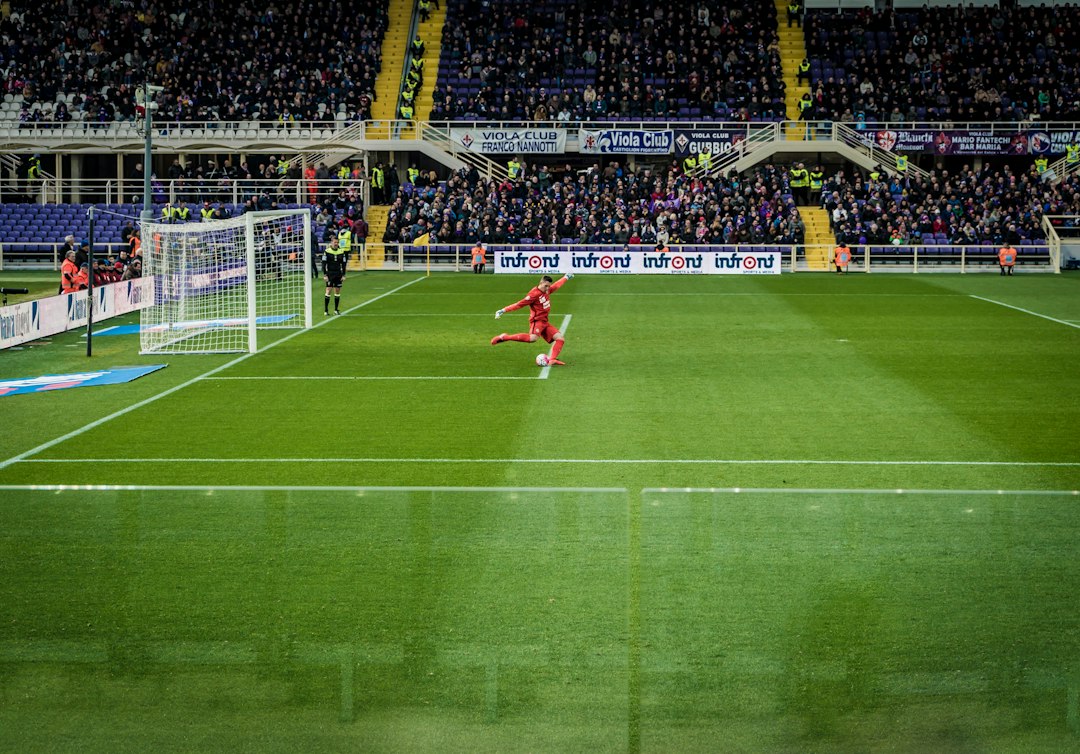
The UEFA Europa League is one of the most tactically fascinating club competitions in European football. With dozens of clubs from across the continent competing across multiple rounds, each fixture carries its own narrative — shaped by squad depth, domestic league form, travel schedules, and continental experience. Understanding how to approach Europa League predictions means looking beyond the surface and examining the layers that make each match unique.
Table of Contents
Why Europa League Fixtures Are Different From Domestic Matches
Club sides entering the Europa League often juggle two or three competitions simultaneously. A team sitting comfortably in mid-table domestically may rotate heavily for a Thursday night fixture, while a side chasing European qualification might treat every Europa League group stage or knockout game with maximum intensity.
This rotation factor is one of the most important elements in any prediction analysis. When a manager fields a second-string lineup, the tactical identity of the team can shift considerably. A side known for high pressing with its first eleven might drop into a more conservative defensive shape with fringe players on the pitch.
Head-to-head records also carry particular weight in European competition. Two clubs may never have met domestically, yet their history in UEFA tournaments can reveal patterns — how each side adapts to away legs, how they respond to early goals, or how their defensive structure holds against continental opposition.
Reading Team Form Across Competitions
Europa League predictions benefit from a multi-layered approach to form analysis. Domestic league form gives a broad picture of confidence and consistency, but Europa League form specifically reflects how a squad adapts to the intensity of European football.
A team on a five-match unbeaten run in their domestic league is not automatically in the same shape for European competition. Fatigue, the psychological weight of a title race or relegation battle, and mid-week travel can all affect performance levels by Thursday evening.
Home and Away Dynamics in Europe
Home advantage functions differently in European competition compared to domestic leagues. While a stadium atmosphere can lift a club in a league match against local rivals, European nights carry their own energy — but so does the challenge of playing in an unfamiliar environment, in front of a passionate away crowd, or in a city with a significant time zone or climate difference.
An away goal in the first leg of a two-legged tie changes everything tactically. Teams that had set up to defend and frustrate may suddenly need to chase the game, opening space they were deliberately protecting. These situational shifts are critical when forming a prediction for the second leg.
Injury Lists, Suspensions, and Squad Depth
No Europa League prediction analysis is complete without reviewing the current injury and suspension situation for both sides. European competition operates on a separate registration system — players not listed in the UEFA squad cannot participate, even if they are fit and available for domestic fixtures.
This creates scenarios where a club’s leading scorer is unavailable not through injury but through administrative registration limits, particularly for sides with large squads brought together across transfer windows.
Suspensions accumulated through yellow cards also reset differently in European competition compared to domestic leagues. A player sitting on a caution threshold domestically may still be free to play on Thursday — or vice versa. Checking these details before forming any prediction is essential.
Understanding the Markets Used in Europa League Analysis
When analysts discuss Europa League predictions, several common markets come into the conversation. Understanding what these markets mean helps readers engage with prediction content more clearly.
The 1X2 market is the most straightforward — it refers to a home win (1), draw (X), or away win (2). In European knockout ties, the draw is often a meaningful tactical result, particularly in the first leg of a two-match tie.
Over/Under markets focus on the total number of goals in a match, typically centered around a 2.5 threshold. Some Europa League fixtures, particularly between defensively disciplined sides, trend towards fewer goals, while group stage matches between mismatched clubs can produce higher-scoring affairs.
BTTS, or Both Teams To Score, is a market that examines whether each side registers at least one goal. In European ties where both sides have attacking quality and motivation to score — particularly in the first leg where neither wants to concede a deficit — this market attracts considerable analytical attention.
Double Chance covers two of the three possible results in a single selection: home win or draw, away win or draw, or home or away win. It is often referenced in previews where the form analysis points to one side being unlikely to lose but the exact outcome remaining open.
Tactical Patterns Worth Watching in This Season’s Competition
The Europa League consistently produces tactically intriguing matchups because it draws clubs from leagues with very different playing styles. A Portuguese side built around vertical pressing may face a Turkish opponent that drops into a deep defensive block. A French club with technical midfield control might come up against a direct, physical German side.
In recent seasons, sides managed by coaches who prioritise set-piece organisation have shown consistently strong results in European competition. Goals from corners, free kicks, and throw-ins in advanced positions have played a decisive role in several knockout ties. When previewing matches, looking at how each side defends and attacks set pieces adds a meaningful dimension to the overall prediction.
Additionally, how sides manage the transition between attack and defence — particularly in legs where they have a lead to protect — tells a story about their tactical maturity at this level of European football.
Frequently Asked Questions
How do Europa League group stage predictions differ from knockout round predictions?
In the group stage, teams are often still identifying their strongest lineups and managing player workloads. Knockout rounds carry more tactical caution, as the two-legged format means coaches plan across 180 minutes rather than a single fixture. Both formats require different analytical frameworks.
What does the 1X2 market mean in a Europa League context?
The 1X2 market simply refers to three possible outcomes — a home win, a draw, or an away win. In European competition, a draw can be a tactically desirable result, which makes this market particularly interesting when one side holds a first-leg advantage.
Why do injury reports matter so much for Europa League match analysis?
European squads are registered separately, meaning some domestic players may not be eligible. Combined with the rotation patterns most managers use, the starting lineup for a Europa League fixture can look quite different from a club’s usual domestic selection, which directly affects prediction analysis.
How do head-to-head records influence Europa League predictions?
Head-to-head history offers context about how two clubs have matched up tactically and psychologically in the past. Patterns in European competition specifically — such as how a side performs in away legs or after conceding first — can inform predictions even when the squads have changed since previous meetings.
Predictions are opinions based on analysis, and no result is guaranteed. This website is for adults aged 18+ and is for information and entertainment only.